To study in New Zealand is not simply to attend lectures and sit exams. It is to enter a culture that treats education as a gateway to independence, global perspective, and real-world experience.
Each year, tens of thousands of international students choose New Zealand for its English-speaking academic environment, internationally recognized qualifications, and exceptional quality of life. According to Education New Zealand (ENZ), students arrive from Asia, Europe, the Americas, the Middle East, and Africa, creating one of the most diverse and welcoming student communities in the Southern Hemisphere.
But what does student life actually look like on the ground?
Where Students Study: Cities That Shape Experience
New Zealand has eight public universities, all ranked internationally, along with numerous institutes of technology and private education providers. Most international students concentrate in major cities — each offering a distinct lifestyle.
Auckland — Global, Ambitious, Multicultural
Auckland, the country’s largest city, attracts students seeking career opportunities alongside study. With strong industries in finance, technology, logistics, and creative sectors, students often combine academic life with professional networking.
Campuses such as University of Auckland are embedded directly in the city, allowing students to move seamlessly between lectures, cafés, internships, and waterfront relaxation.
Auckland’s diversity is immediately visible: you will hear multiple languages on campus, find Asian night markets, Pacific cultural festivals, and European-style cafés — often within walking distance of each other.
Wellington — Creative, Intellectual, Compact
Wellington offers a different rhythm. Home to Victoria University of Wellington, the capital city blends political institutions with a thriving arts and film industry.
Students here are deeply engaged — in public policy discussions, film projects, startup incubators, and cultural events. The city’s size allows for strong community bonds; students quickly feel integrated into both academic and urban life.
Dunedin — A True Student City
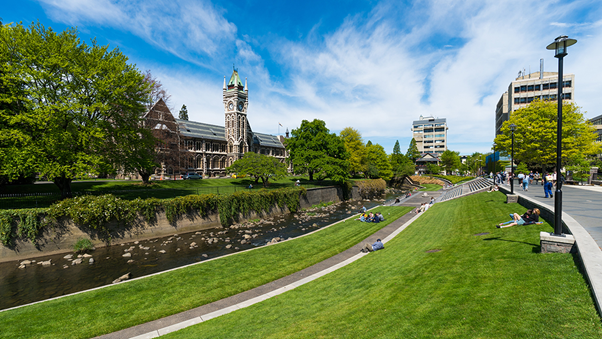
Dunedin revolves around University of Otago, New Zealand’s oldest university. With a high concentration of students relative to population, the city has a distinctly youthful energy.
Here, student life feels immersive. Residential colleges, research communities, and social clubs create a classic campus atmosphere reminiscent of traditional British universities.
Who Studies in New Zealand?
International students in New Zealand commonly come from:
● China
● India
● South Korea
● Japan
● Germany
● United States
● Southeast Asia
● Middle East
The diversity of backgrounds creates a truly global classroom. Group projects often include students from four or five continents. This multicultural exposure becomes part of the educational value itself.
Academic Culture: Independent, Practical, Interactive
New Zealand universities emphasize:
- Critical thinking
- Independent research
- Practical application
- Industry engagement
Professors are approachable. Class sizes are often smaller than in larger global systems, encouraging participation and direct dialogue.
Many programs integrate internships, industry projects, or applied research components.
Internship Opportunities: Learning Beyond the Classroom
New Zealand’s strong SME (small and medium enterprise) economy provides students with direct exposure to real business environments.
Internships may occur in:
- Technology startups in Auckland
- Film production companies in Wellington
- Environmental research institutes
- Tourism and hospitality enterprises in Queenstown
- Agricultural and sustainability projects
Students in business, IT, engineering, hospitality, healthcare, and creative arts frequently secure internships during or after their studies.
Universities often maintain career development centers that assist with CV preparation, interview training, and employer networking events.
Part-Time Work: Earning While Learning
International students holding valid study visas are generally allowed to work up to 20 hours per week during the academic term and full-time during scheduled breaks (Immigration New Zealand).
Common part-time roles include:
- Hospitality and cafés
- Retail
- Campus support services
- Tutoring
- Research assistant roles
- Administrative work
This flexibility enables students not only to support themselves financially but also to gain local work experience — an important step toward post-study employment pathways.
Summer Break: More Than Vacation
The academic year in New Zealand typically runs from February to November, with a long summer break from November to February.
Students use this time to:
- Work full-time
- Travel across the country
- Participate in internships
- Volunteer
- Explore neighboring Australia or Pacific islands
Backpacking culture is strong. Students often organize road trips through the South Island, hike multi-day trails, or explore national parks.
Beyond Academics: The Social Fabric of Student Life
Student associations play a major role in campus culture. Nearly every university offers:
- Cultural clubs
- Academic societies
- Sports teams
- Entrepreneurship networks
- Debate clubs
- Volunteer groups
Events range from orientation festivals to international food fairs and charity runs.
Outdoor recreation is a defining feature of student leisure. Within a short distance of most campuses, students can:
- Surf
- Hike
- Kayak
- Ski
- Sail
- Cycle
Nature becomes part of social life.
Safety and Wellbeing
New Zealand consistently ranks among the most peaceful countries globally according to the Institute for Economics and Peace.
For students, this translates into:
- Safe public transport
- Walkable campuses
- Strong campus security
- Accessible healthcare
- Support services for international students
Universities provide academic support, counseling services, and international student advisors.
What Makes Student Life “Amazing”?
It is not intensity.
It is not competition at any cost.
It is balance.
In New Zealand, a student can attend a morning lecture, work a part-time shift in the afternoon, and watch the sunset from a beach or mountain trail in the evening.
The scale of the country makes opportunities accessible. The culture makes integration easier. The academic system encourages independence rather than pressure.
Students do not feel anonymous in massive lecture halls. They build relationships — with classmates, professors, employers, and the local community.
A Launchpad for Global Futures
Student life in New Zealand is not confined to campus walls. It is a formative period of personal growth, professional exposure, and cultural discovery.
For many international students, New Zealand becomes more than a study destination.
It becomes a place where confidence grows, networks expand, and future pathways open. And perhaps that is the real definition of an amazing student life — not just what happens in class, but who you become beyond it.